

A Buzz About the Place
In the UK, 97% of wildflower rich land has disappeared since the 1940's. It's predicted that 40 - 70% of insects could become extinct if constrained only to tiny fragments of land.
However, despite being densely built up, city environments can still provide enormous opportunities for habitat creation and support a variety of species. The city of Portsmouth contains several habitats including coastal, pond, trees, shrubs, scrub, hedgerow, formal beds and native grassland and wildflower meadows. Maintaining a balance between these habitats within the city encourages wildlife to thrive.
To help contribute to the conservation of native wildlife, Portsmouth City Council's Parks and Countryside team is working on a project called 'Buzz about the Place'. Across the city, areas have been identified where grassland can be left to grow throughout the summer and where some areas could be seeded with a wildflower mix and only cut once/twice a year. These relaxed mowing regimes provide an early source of nectar to support bees emerging from hibernation and provides shelter throughout the growing season. Taking this action not only benefits pollinators, but also other invertebrates, small mammals, amphibians and birds who use these grass areas to bridge gaps between larger habitats in the city.
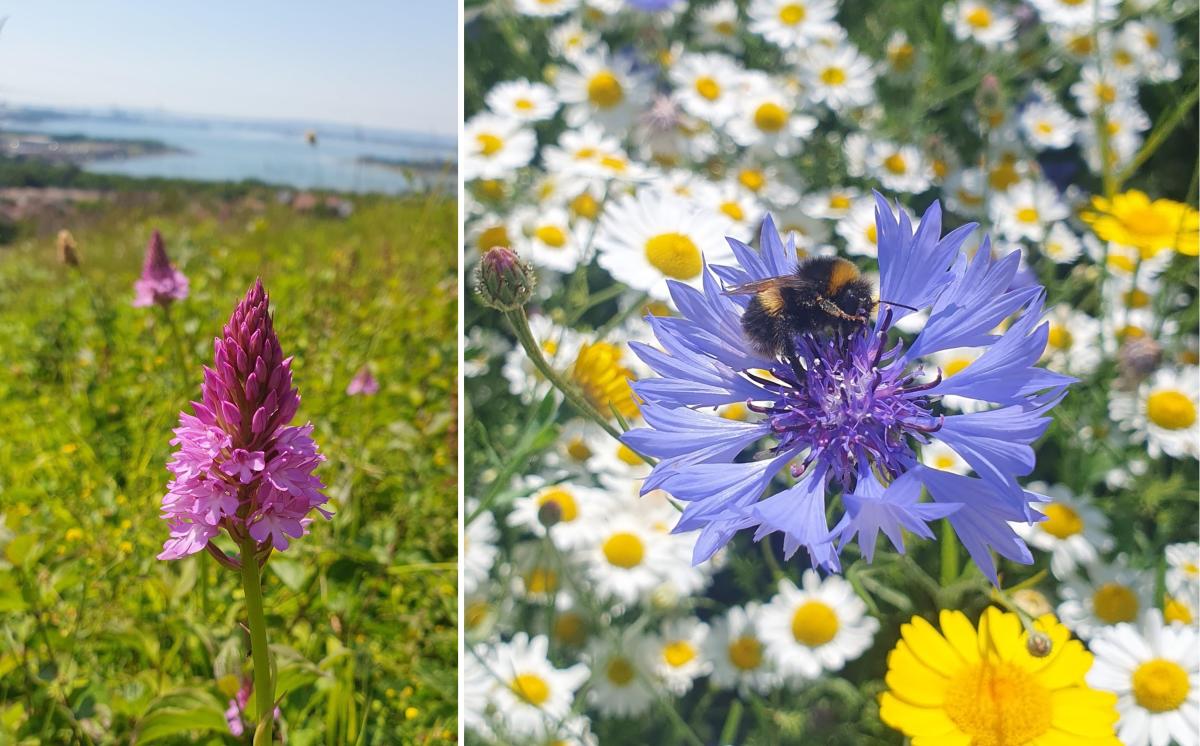
Bridging the gap with wildlife corridors
In a fragmented city landscape, with busy roads, buildings, walls and tarmac, it is more challenging for wildlife to safely travel from place to place, establish nest sites, source food and water and find both resting places and shelter. Wildlife requires a means to move across the city in order to survive.
Wildlife corridors are areas of natural land (e.g. grassland, hedgerow) that help bridge the gaps between habitats. They don't have to be direct linear pathways - they can take many forms from street trees to balcony planters, and act as stepping stones for creatures with wings such as birds and insects (e.g. butterflies, bumblebees).
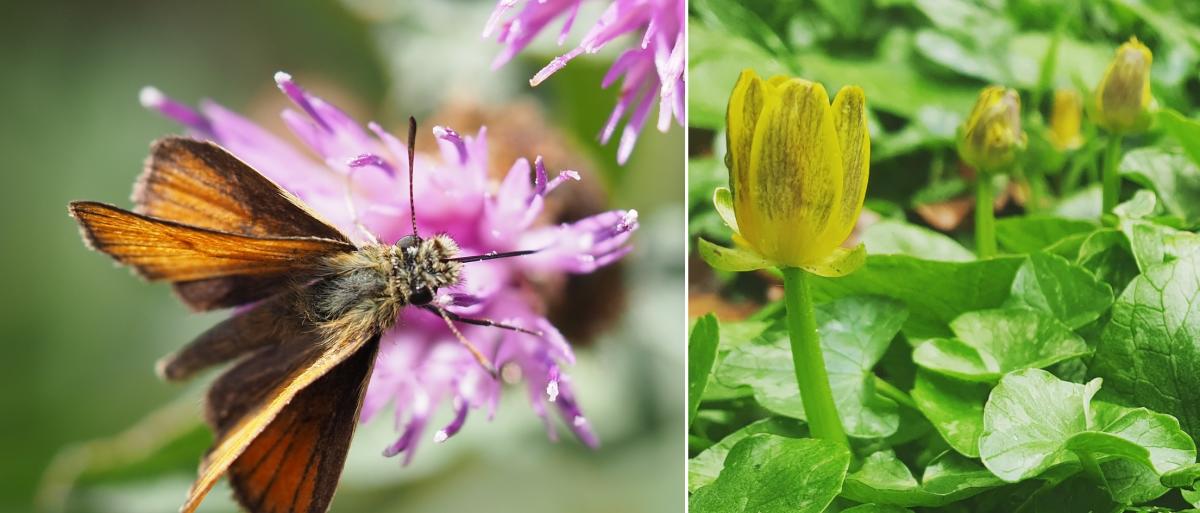
Grassland - spread the seed
Grassland and flower meadows are key microhabitats, providing a source of food and shelter for a variety of animal and plant species but also act as very effective wildlife corridors. In inner city areas with limited space, flower meadows can compensate insects for lack of large natural meadows that are usually found in the countryside. Even the smaller wildflower patches in pocket parks and gardens create wildlife corridors which are vital for bumblebee and other pollinator survival in the city.
As well as supporting wildlife, grasslands and flower meadows can also provide many incredible ecosystem services and benefits – such as storing carbon and enabling both clean air and water.
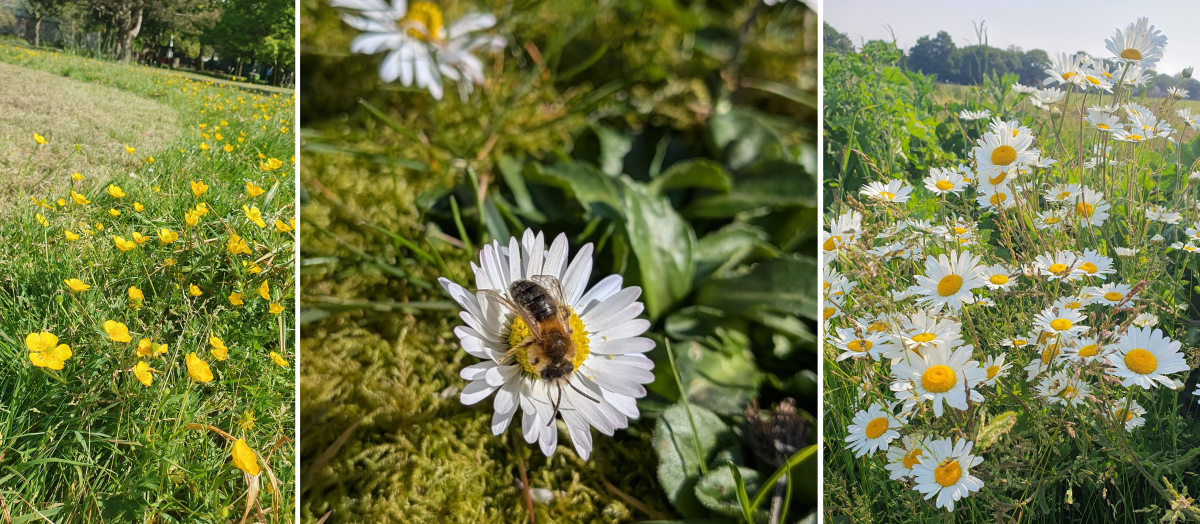
Growing strong
Essential to the success of wildlife corridors is ensuring the compatibility of plant species with the local environment - this supports long-term resilience and provides improved habitats for wildlife. Therefore, where suitable, the best plants to have are those native to the UK, as our invertebrates have evolved alongside them for millennia. Promoting the right habitat in the right place is also essential so that valuable habitats such as grassland can be preserved.
Discover more about the ways nature is being considered as part of the Portsmouth100 celebration year on our 100 Habitats page.