Celebrating the wilder side of Portsmouth100
Being one of the most densely populated cities in the country, Portsmouth may seem an unlikely haven for nature. Yet this city provides many important habitats for a wide variety of plants and animals.
Some of our key habitats in Portsmouth include:
- Portsmouth Harbour & Langstone Harbour: Internationally important for wintering birds (geese, waders) due to extensive mudflats, saltmarshes, and eelgrass beds.
- Eastney Beach: Shingle beach with unique coastal shingle and vegetated shingle, home to rare plants.
- Wetlands and ponds: Baffins Pond and Tangier Field: Mix of formal park and natural pond habitat with rich birdlife.
- Woodlands: Hilsea Lines: Varied mix of meadows, woodlands, fresh and brackish water, and marshes, offering the most habitat diversity on Portsea Island.
- Grassland: Portsdown Hill: Chalk grassland Site of Special Scientific Interest (SSSI) with woodlands, providing rich biodiversity.
Nature on the move
In a fragmented city landscape, with busy roads, buildings, walls and tarmac, it's challenging for wildlife to safely travel from place to place, establish nest sites, source food and water and find both resting places and safe shelter.
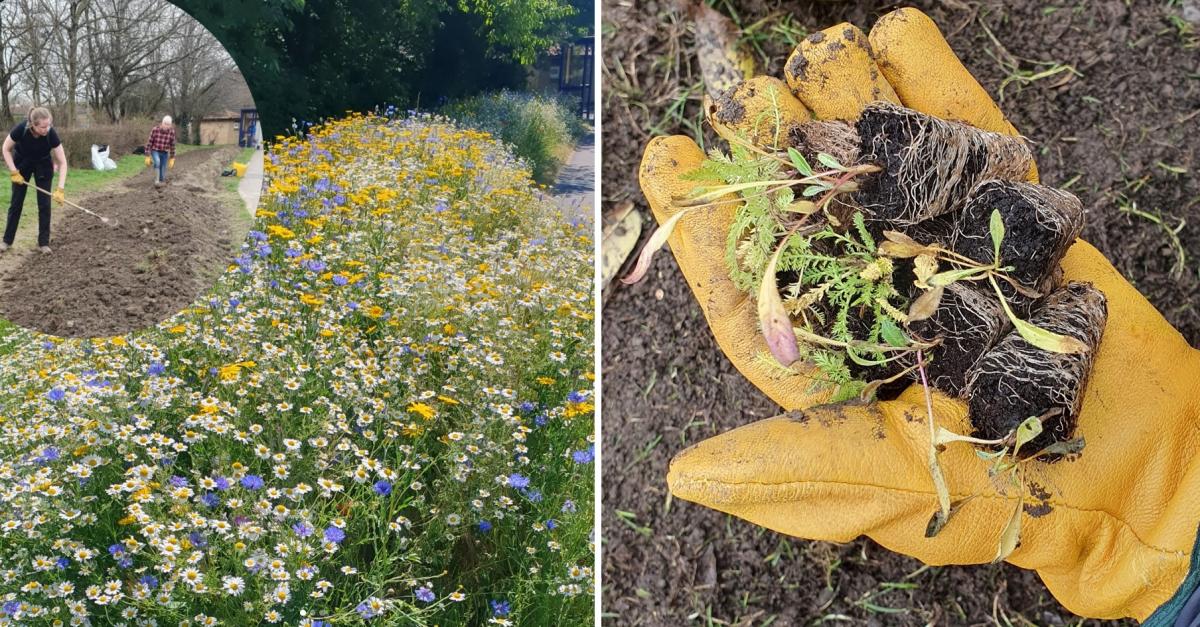
Each habitat, big or small, supports nature and enhances local biodiversity by helping to connect green spaces and create safer routes for wildlife (known as wildlife corridors). Whether it be an area of native wildflowers attracting a common blue butterfly to its bird's-foot-trefoil or a spiky hawthorn hedgerow, giving a safe hideaway for a nesting blackbird.
Maintaining a balance between these habitats within the city encourages wildlife to thrive. The right habitat in the right place also ensures that our native plants, animals and fungi can adapt to factors such as building developments, climate change, pests and disease.
100Habitats
2026 sees Portsmouth mark its 100th anniversary of becoming a city.
As part of the Portsmouth100 year-long centenary celebrations, we're going to be highlighting 100 new habitats created within the city's parks and green spaces.
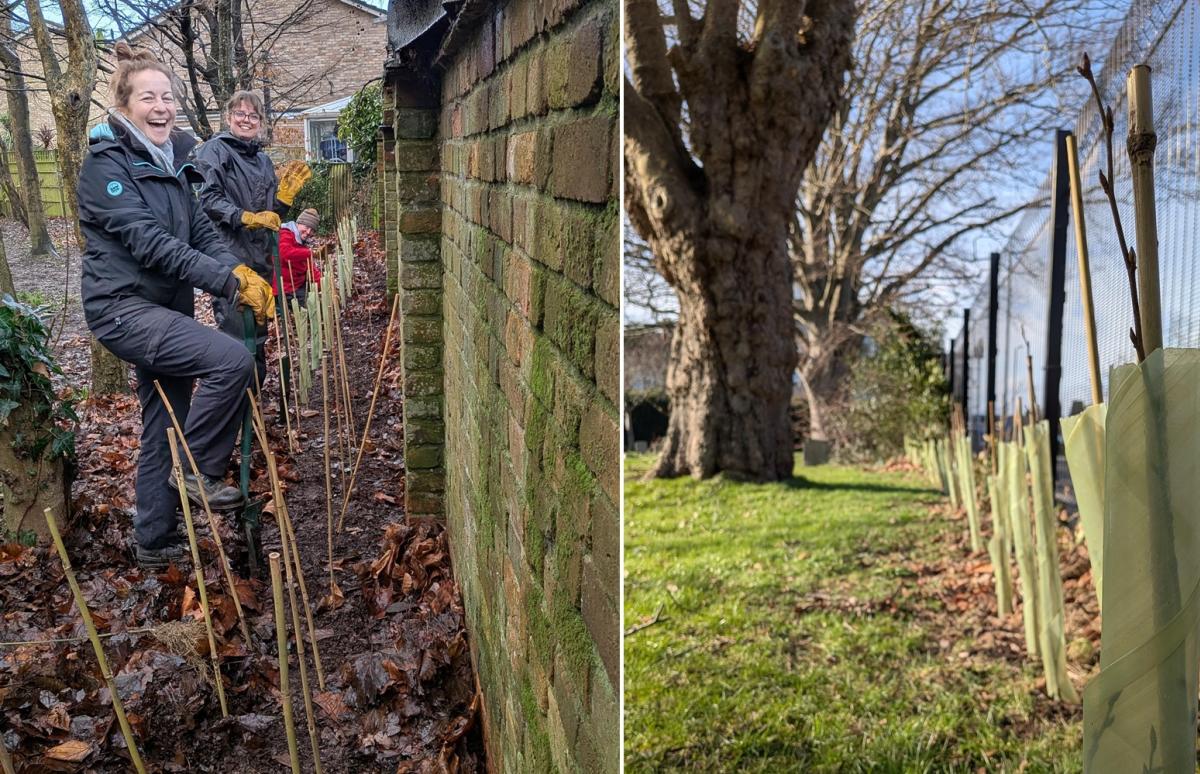
A special thanks goes out to all our dedicated and much appreciated volunteers, who regularly join us for practical conservation tasks across the city.
Keep an eye out in your local parks and open green spaces for new habitats popping up as part of the Portsmouth100 celebrations. What's even more brilliant, is that these habitats are here to stay, benefiting wildlife for many more years to come!
Find out more and volunteer
Be part of the Portsmouth100 legacy and join us in helping nature thrive in the city by becoming a conservation volunteer.
There's much more information to be found on our Nature of Portsmouth page.