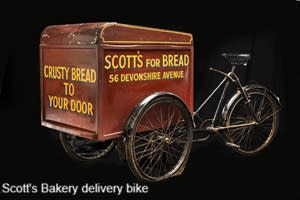
Scott's Bakery delivery bike
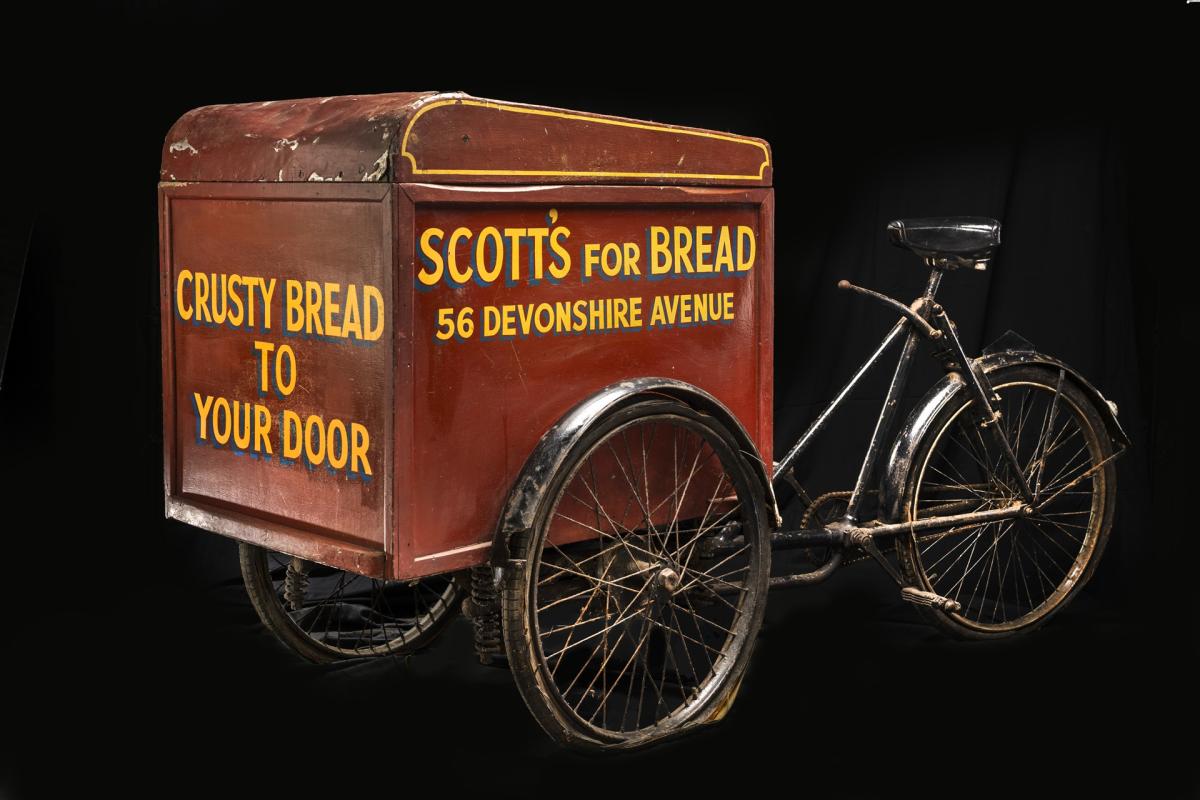
This bike bearing the appetising slogan "Crusty bread to your door" was used to deliver fresh bread from Scott's Bakery on 56 Devonshire Avenue to the local community. The bakery closed in 2010 having been in business since 1903. Local people remember Denis Walters from Southsea delivering the bread on the bike in the 60s and 70s.
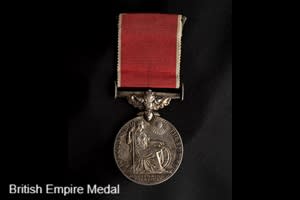
British Empire Medal
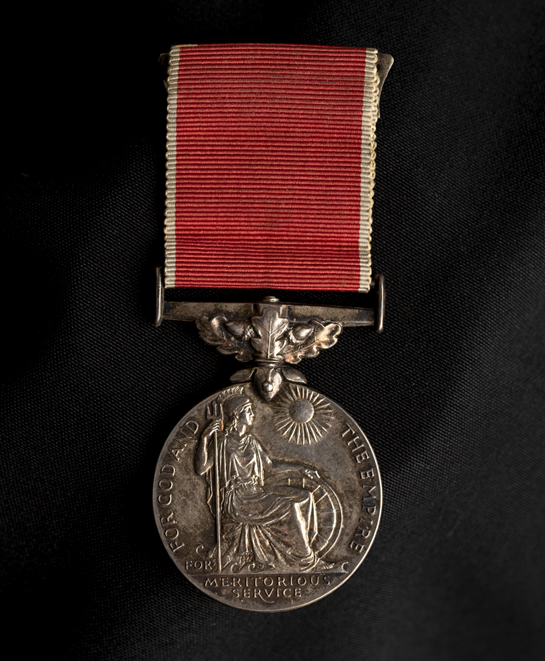
This British Empire medal was awarded to 15-year-old Vernon Harold Sellwood, who served as a messenger in the Auxiliary Fire Service. He undertook the duties of a fireman during the heavy air raid on Portsmouth on the night of the 11 March 1941. He was awarded the British Empire Medal in October 1941 in recognition of his work. Vernon lived at Uplands Road, Drayton, Portsmouth. In the Records of the Corporation 1936-1945 page 214 states: "I can stick it" said Vernon Harold Sellwood, a 15-year-old hero of the fire blitz, who was awarded the British Empire Medal for gallantry.
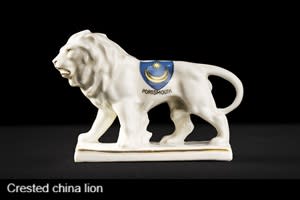
Souvenir crested china lion featuring the Portsmouth Crest
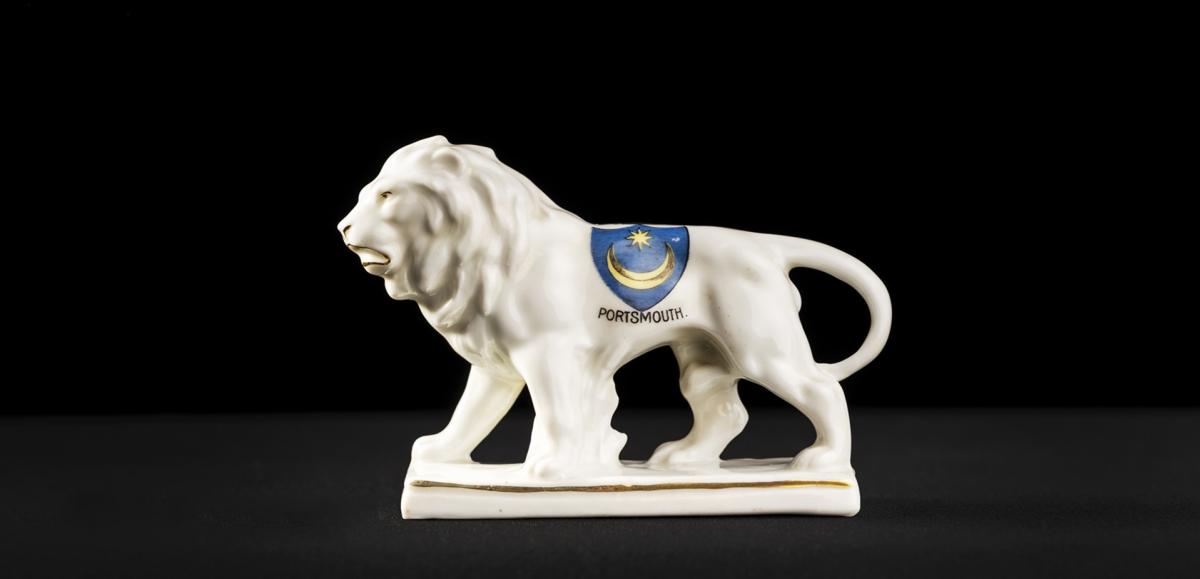
Crested china, also known as heraldic souvenir ware , first became popular in Britain in the late 19th and early 20th centuries. The miniatures range from everyday objects to elaborate historical replicas decorated with coats of arms of heraldic symbols representing specific towns, cities or notable families. They were popular as symbols of travel and national pride. The story of crested china reveals a deep connection between local identity, national pride, and a notable part of the history of British pottery. Stoke-on-Trent potter William Henry Goss popularised crested china with the idea quickly catching on with other pottery manufactures creating a cultural phenomenon. The piece features a lion with the Portsmouth crest on its body.
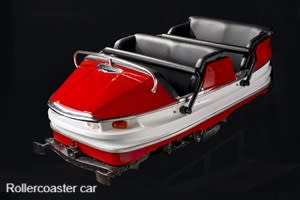
Rollercoaster car
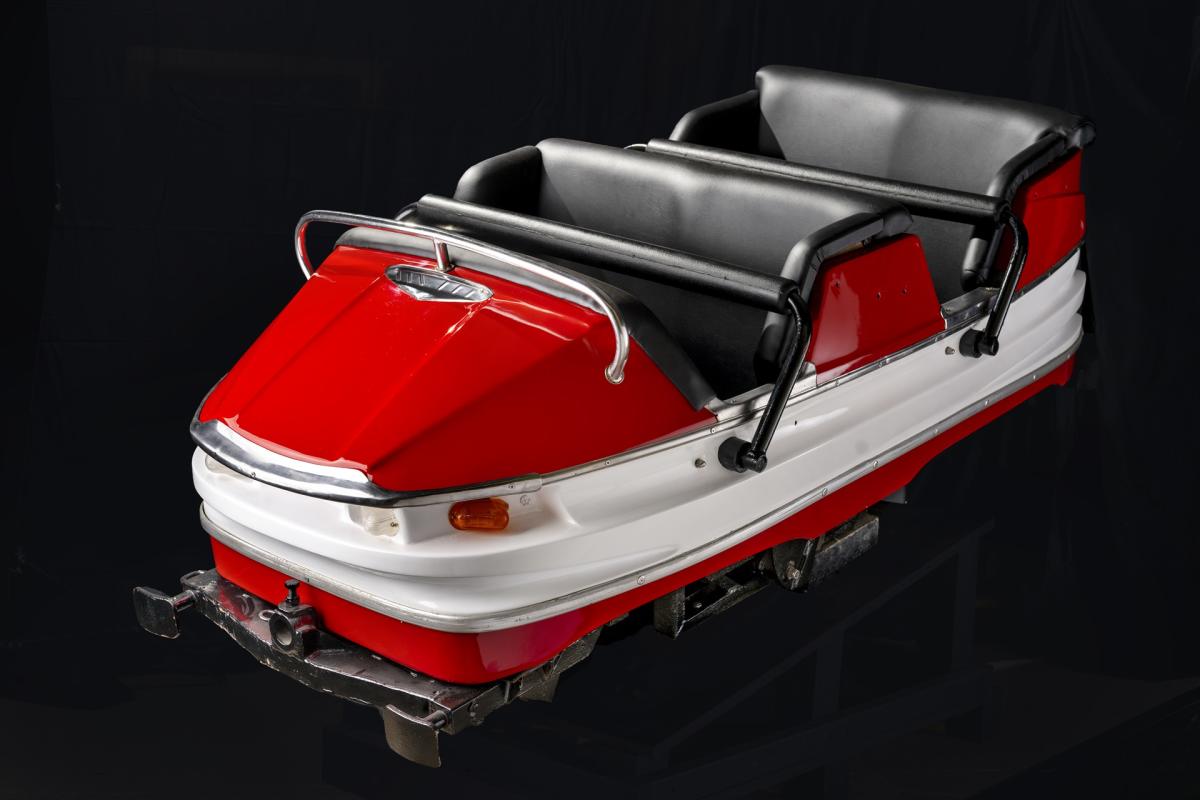
This rollercoaster car was one of a pair that ran together on the Skyways rollercoaster at Clarence Pier. Skyways was a steel Galaxi-model rollercoaster and operated on the pier from 1980 (when it replaced a Wild Mouse ride) and it closed in 2017. The rollercoaster was famously featured in a Mr Bean comedy sketch.
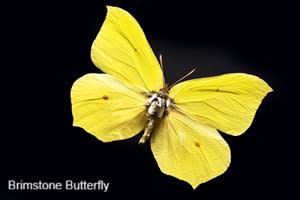
Brimstone Butterfly
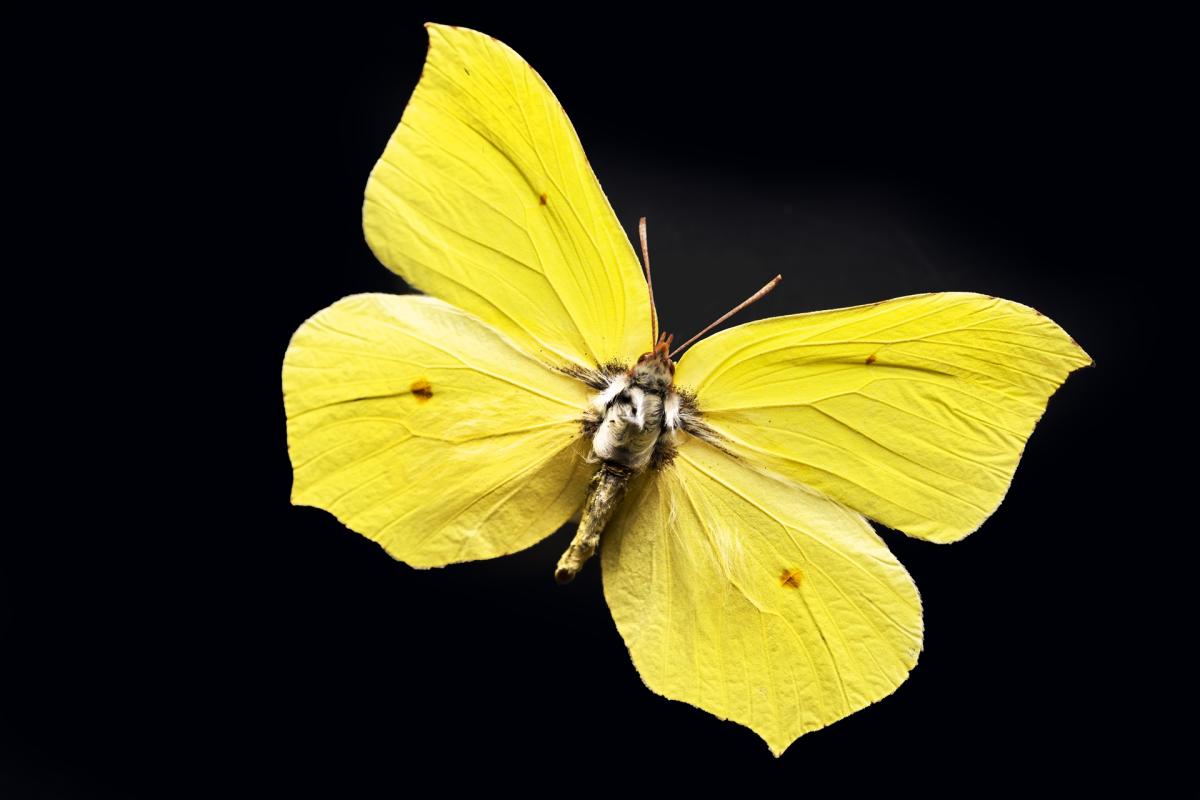
A male Brimstone Butterfly from the Portsmouth Museums' natural history collection, found on Portsdown Hill, Portsmouth in August 1945. The bright yellow buttery-coloured males are thought to be the origin of the word "butterfly". Female Brimstone butterflies are a greenish yellow colour. They can be found in gardens, woodlands and grasslands. Their caterpillars feed on Buckthorn. During the winter months the butterflies hibernate and are one of the first butterflies to be seen in the year.
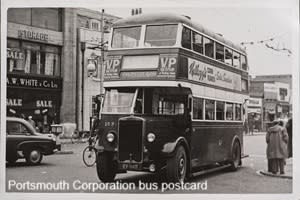
Portsmouth Corporation bus postcard
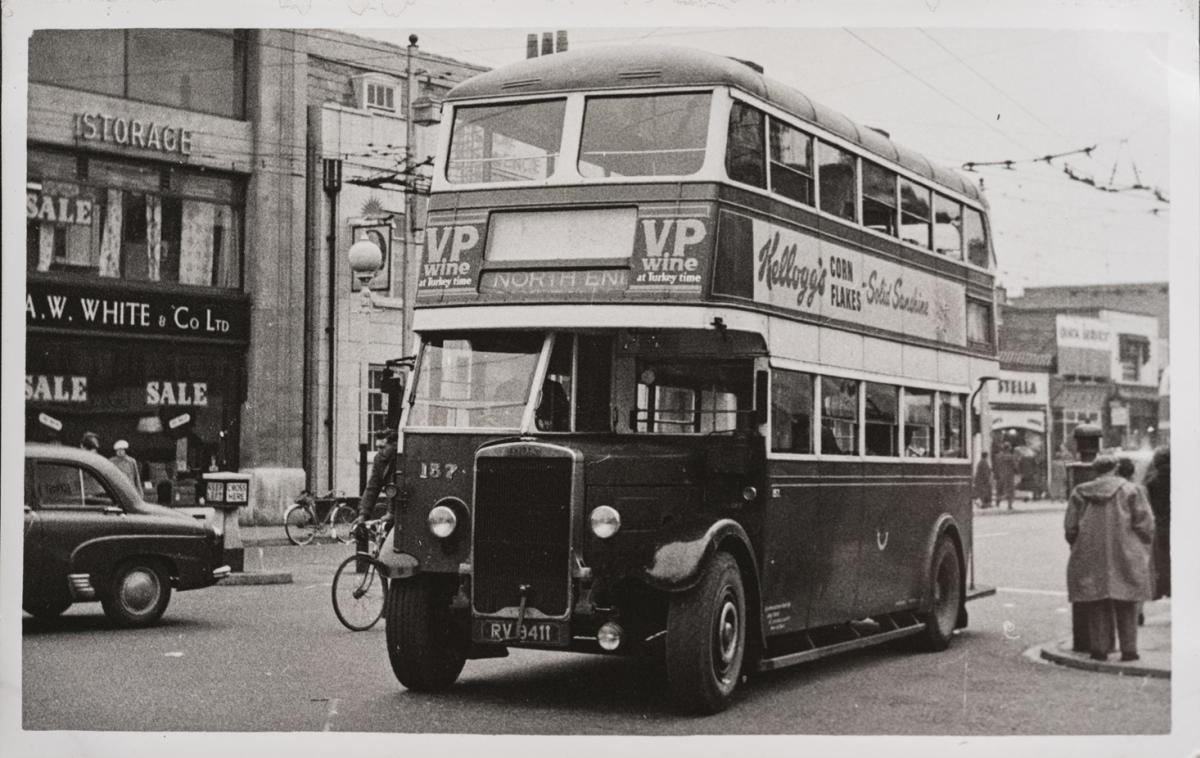
This postcard shows a Portsmouth Corporation bus displaying "North End" in service with passengers on board. First formed in 1898, serving the city of Portsmouth and owned by the Portsmouth Corporation, Portsmouth Corporation Transport ran trams, trolley buses and from 1963 just buses for the city up until 1988 when the service was privatised. This image comes from a collection of photographs and postcards assembled by a local resident who was a bus enthusiast.
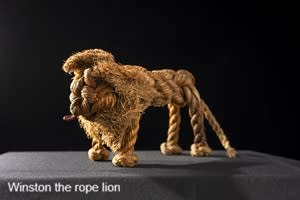
Winston the rope lion
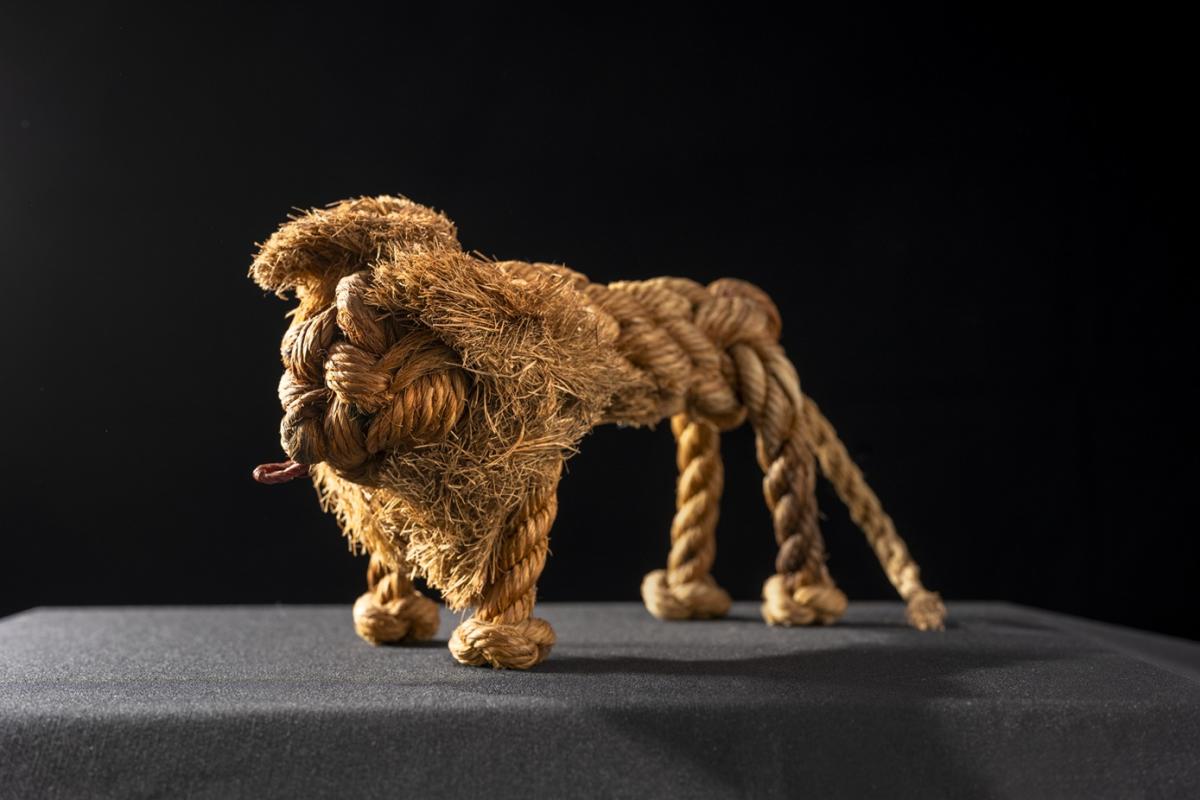
"Winston" the lion is made of rope and was taken as a good luck mascot on Sir Alec Rose's global circumnavigation from 1967 to 1968 in his boat Lively Lady. He was knighted for this achievement. Sir Alec ran a greengrocers in Osborne Road, Southsea. While he was away sailing, his wife, Dorothy, continued to run the greengrocers and displayed a map charting his progress. He returned to Southsea on the 4 July, 1968, 354 days after setting off.
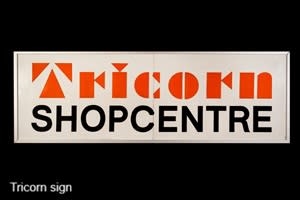
Tricorn sign
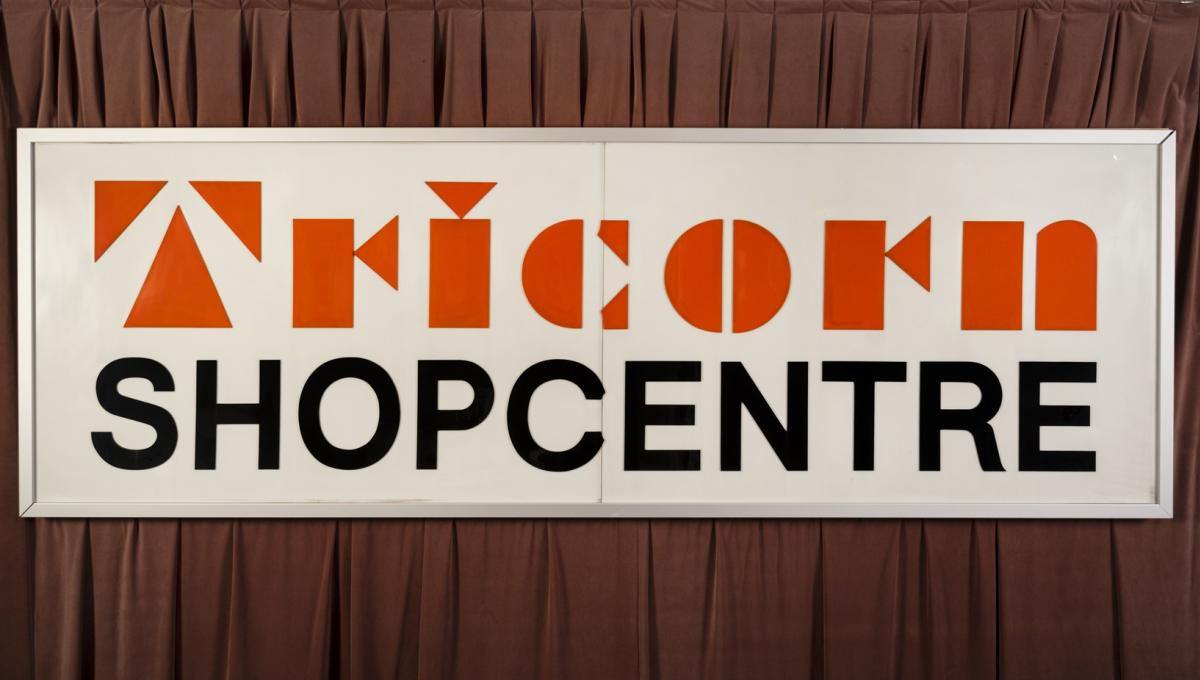
This sign is from the Tricorn Centre which was constructed in the mid-1960s and demolished in 2004. Opened in 1966 the centre cost Portsmouth City Council £2million and was an attempt to revitalise the city. The Tricorn was a shopping, nightclub and carpark complex. It was designed in the Brutalist style and took its name from the site's shape, which from the air looked like a tricorn hat. The Tricorn was once voted the most hated building in Britain. It took approximately nine months to demolish.
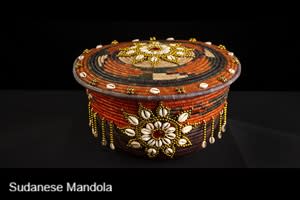
Sudanese Mandola
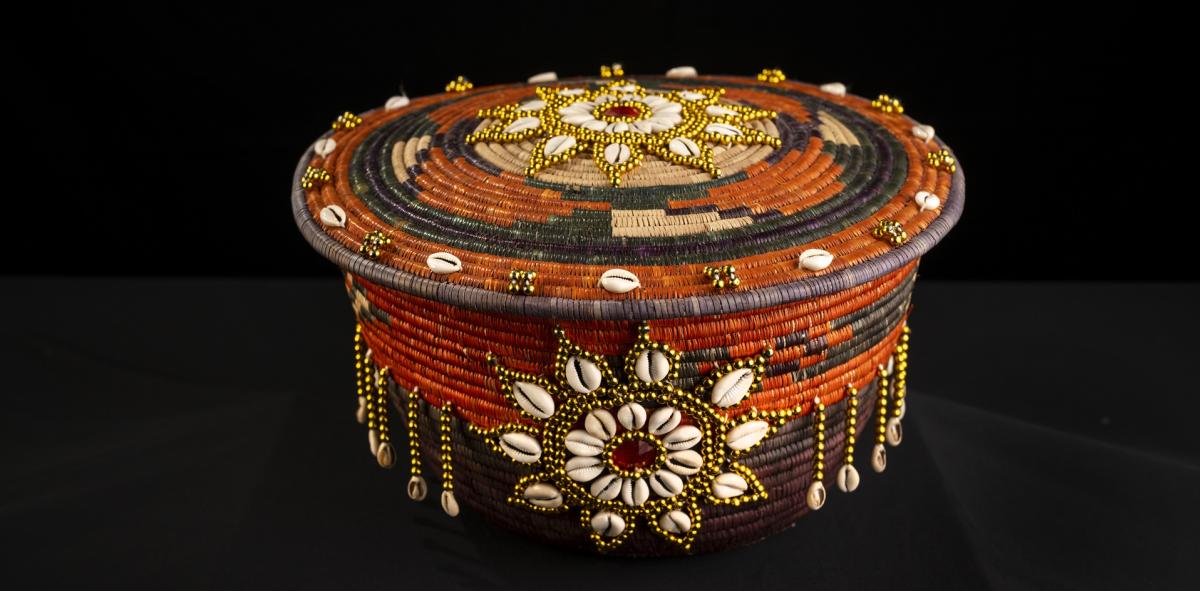
This Sudanese Mandola was donated to the Portsmouth Museum Service by a member of the local Sudanese community after the British Museum Ancient Sudan; Enduring Heritage exhibition held at the museum in 2025. It is a traditional vessel made from coloured palm fronds, often decorated with leather or beads to give it a unique aesthetic. It is typically used to serve traditional food, with a black Qudh (wooden bowl) placed inside, filled with dishes like aseeda (a type of porridge). The Mandola, with its natural materials and intricate decorations, reflects the Sudanese heritage and the spirit of hospitality. This handwoven Mandola vessel crafted from locally sourced palm fronds by the late Aisha Mohammed Suleiman in El Fasher, Darfur, Sudan. Aisha was a neighbour and family friend of the object donor. The gift embodies both traditional craftsmanship and the resilience of Darfur’s communities amid ongoing humanitarian crisis.
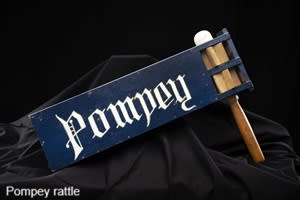
Pompey rattle
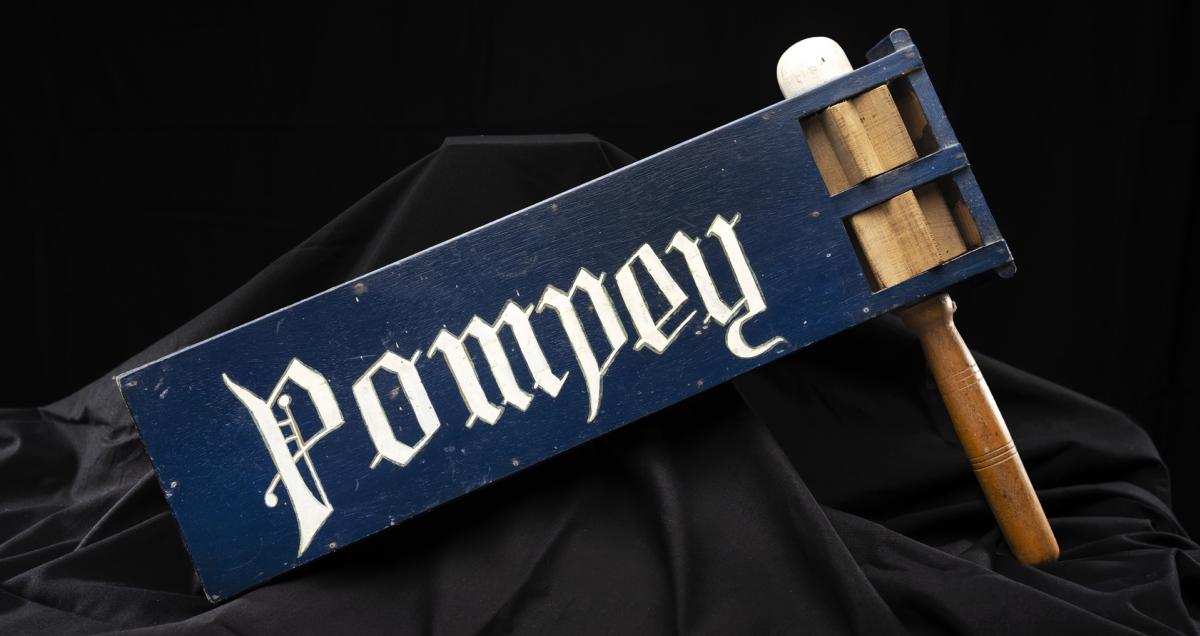
Wooden rattles like this used to be commonplace at football matches. When this rattle was spun a loud noise was produced to encourage the Pompey team. They were banned from British football grounds on safety grounds in the 1970s.
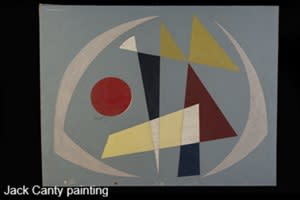
Jack Canty painting
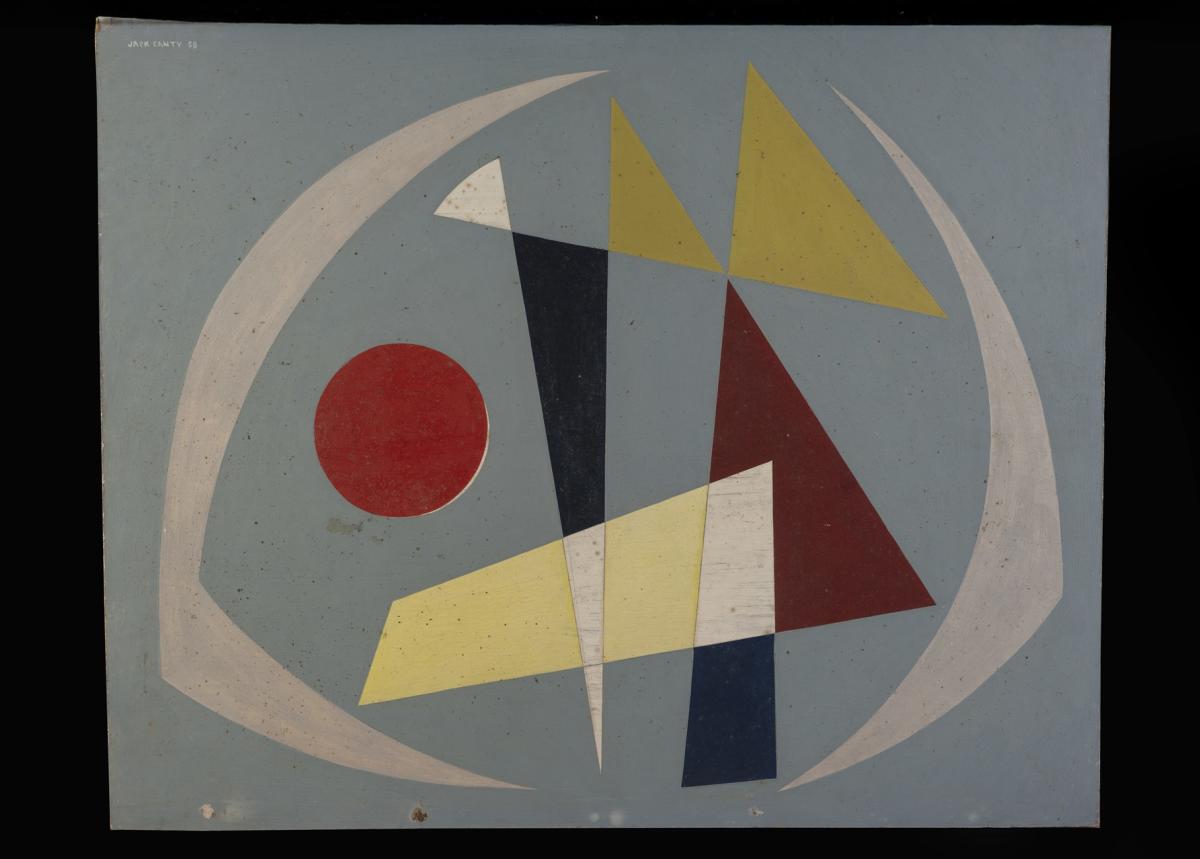
This work of art is by the artist Jack Canty (1910 – 2002). He was born in Portsmouth and continued to live in the city throughout his life. Canty was born with one leg and without hands but developed a fervent artistic talent. He is known to have strapped pencils and brushes onto his arms in order to create his works. For several years he was able to earn a living as a graphic artist at Portsmouth Museum. Throughout the 1950s he exhibited regularly at Cumberland House. He spoke fluent French and had many interests amongst which was a love of classical music, art and pottery. He produced many abstract works, often in groups experimenting with different combinations of colour and arrangement of form. He continued working as an artist until retirement at the age of 65 when he then took up pottery. He lived until the age of 92 and requested in his will that his art should be donated to the Museum Service. The collection of 68 works is comprised of paintings (abstracts, still life and landscapes), pencil sketches of animals and a self-portrait.
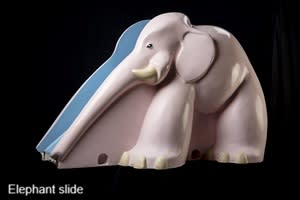
Elephant slide
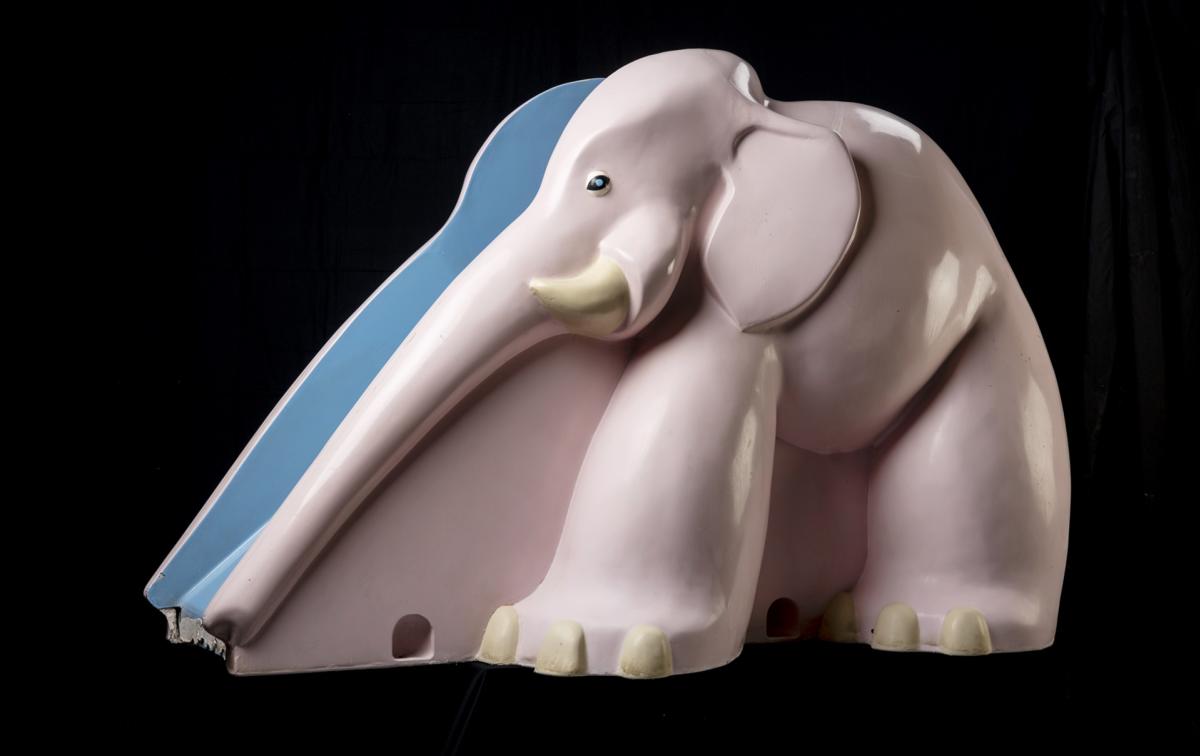 This slide in the form of a pink elephant was collected when the swimming pool in the Pyramids Centre closed permanently in September 2020, 32 years after it opened in 1988. It re-opened as a soft-play centre and gym in 2021. The slide was a part of the children's pool area which also featured a blue walrus.
Portsmouth100: Your museum. Your stories. Your city. exhibition opens at Portsmouth Museum and Art Gallery on 26 October.
The exhibition is made possible with The National Lottery Heritage Fund, with thanks to National Lottery players.